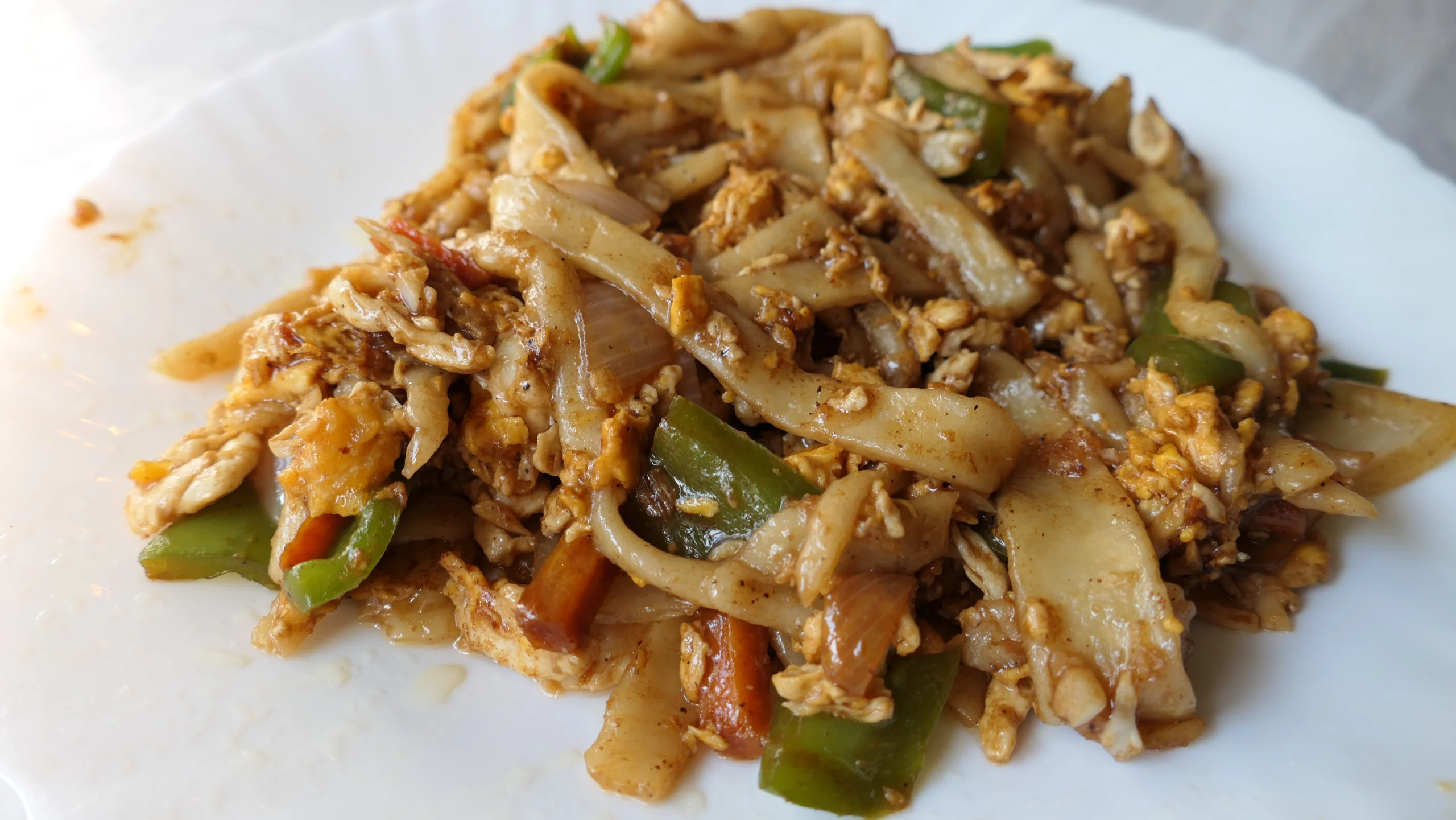
Stir fried noodles with eggs and veg | Chinese style recipe
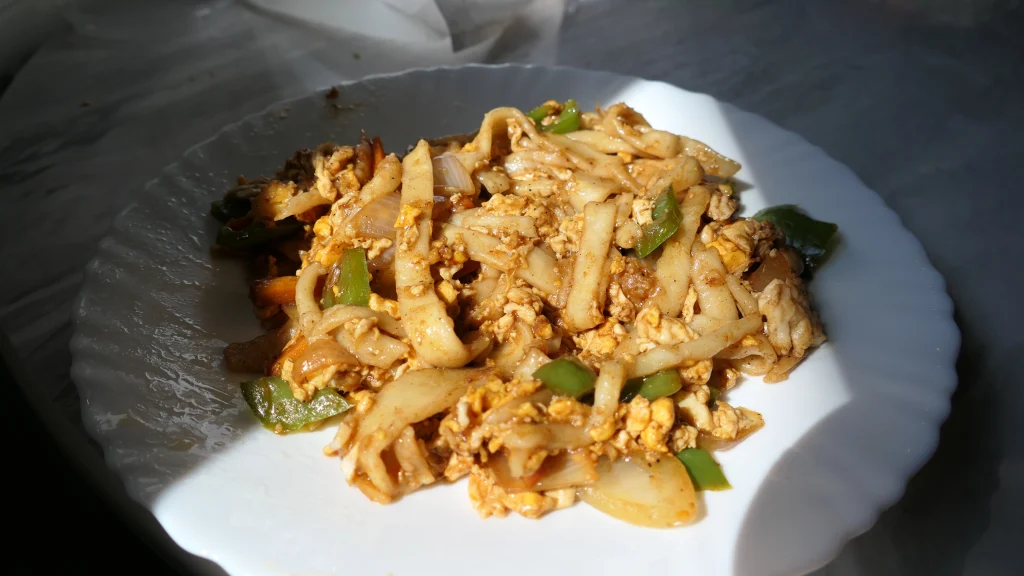
Here is something especially satisfying about making stir fried noodles completely from scratch. And by completely from scratch, I mean starting with flour and water, making the noodles at home, boiling them, and then tossing them into a hot pan with eggs, vegetables, garlic, soy sauce and a few simple seasonings.
That is exactly how I made the plate of stir fried noodles you see here.
This is my own Chinese-style recipe rather than an attempt to reproduce one particular traditional Chinese noodle dish. I wanted something uncomplicated: chewy homemade noodles, plenty of egg, crisp vegetables and a savory soy sauce coating. No complicated sauce mixture and no long list of ingredients.
The result is the kind of food I love making at home. It is quick once the noodles are prepared, adaptable to whatever vegetables are in the refrigerator, and flavorful without being excessively saucy.
If you have never made noodles from all-purpose flour before, don’t let that part put you off. They don’t need to look perfectly uniform. In fact, the slightly uneven thickness of hand-cut noodles is part of what makes this dish so enjoyable.
Why I Make These Stir Fried Noodles from Scratch
You can certainly make this recipe with packaged noodles. But homemade noodles change the character of the dish.
Fresh noodles have a satisfying chew, and because they are made specifically for the meal, you can decide whether you want them thin and delicate or a little wider and more substantial.
For these stir fried noodles, I prefer noodles with some thickness to them. They hold up well when boiled and then fried in the pan, and they pick up the soy sauce without becoming lost among the vegetables and egg.
The rest of the recipe is deliberately straightforward.
Eggs add richness and make the noodles more filling. Onion provides sweetness, bell pepper and carrot bring color and crunch, and fresh garlic gives the entire dish its unmistakable stir-fried aroma.
Then there is the seasoning: soy sauce, black pepper, salt and a small amount of MSG.
That’s it.
The important part isn’t adding ten different sauces. It is cooking everything in the right order and keeping the pan hot enough that the noodles fry rather than slowly steam.
More such recipes from “American Chinese Takeout recipes” cookbook get a copy
Stir Fried Noodles Recipe at a Glance
Cuisine: Chinese-style
Course: Main dish
Prep time: 35 minutes
Cooking time: 15 minutes
Total time: About 50 minutes
Servings: 2–3
Difficulty: Easy to moderate
Ingredients
For the homemade noodles
- 2 cups all-purpose flour
- About ¾ cup water, added gradually
- ½ teaspoon salt
- Extra all-purpose flour for dusting
For the stir fry
- Homemade noodles, boiled and drained
- 3 eggs
- 1 medium onion, sliced
- ½ bell pepper, sliced or cut into bite-sized pieces
- 1 small carrot, thinly sliced or cut into strips
- 3–4 cloves garlic, finely chopped
- 2–3 tablespoons soy sauce, or to taste
- ½ teaspoon ground black pepper
- Salt, to taste
- A small pinch of MSG, to taste
- 2 tablespoons neutral cooking oil, plus a little more if necessary
The amounts here don’t need to be treated like laboratory measurements. Stir frying is forgiving. If you love onions, add more. If you have both red and green bell peppers, use both. If you want another egg, put it in.
The one ingredient I would add carefully is soy sauce. You can always add another splash at the end, but you cannot easily remove it once the noodles become too salty.
How to Make Homemade Noodles for Stir Fry
1. Make the noodle dough
Place the all-purpose flour in a large mixing bowl and stir in the salt.
Start adding the water gradually while mixing the flour with your fingers or a fork. Don’t pour all the water in at once. Different brands of flour absorb slightly different amounts of water.
Once shaggy pieces of dough begin forming, bring everything together with your hands.
Knead the dough for about 8–10 minutes.
You are looking for a firm, smooth dough rather than a very soft or sticky one. A firmer noodle dough produces noodles that stand up better to boiling and stir frying.
If the dough feels extremely dry and refuses to come together, add water a teaspoon at a time. If it becomes sticky, dust it lightly with flour.
2. Let the dough rest
Cover the dough and allow it to rest for around 20–30 minutes.
Don’t skip this because you’re impatient to get the wok going.
Resting allows the flour to fully hydrate and gives the gluten time to relax. That makes the dough considerably easier to roll.
After resting, give it another brief knead.
3. Roll and cut the noodles
Dust your work surface with flour.
Roll the dough into a relatively thin sheet. How thin you make it depends on the noodles you like. Remember that they will swell slightly during cooking.
Dust the surface of the dough with flour so that it doesn’t stick to itself.
You can loosely fold the sheet and cut it into strips with a sharp knife, or simply cut across the flat sheet.
Separate the noodles with your fingers and dust them with a little more flour.
Don’t worry if every noodle isn’t exactly the same width.
These are homemade noodles. They are allowed to look homemade.
How to Boil Homemade Noodles
Bring a large pot of water to a strong boil.
Shake excess flour from the noodles and carefully drop them into the water. Stir almost immediately to stop them sticking together.
Fresh homemade noodles cook much faster than dried pasta.
Depending on their thickness, they may need only 2–4 minutes.
The important thing here is not to overcook them.
Remember that these noodles are going into a hot pan afterward. If you boil them until they are extremely soft, they can break or turn mushy during stir frying.
Cook them until tender but still pleasantly firm.
Drain immediately.
If you aren’t going to stir fry them straight away, rinse them briefly with cool water to stop the cooking and remove some excess surface starch. Drain them thoroughly.
A tiny drizzle of oil tossed through the noodles can also help prevent sticking.
Now the fun part begins.
How to Make Stir Fried Noodles with Egg and Vegetables
1. Prepare everything before heating the pan
Stir frying moves quickly.
Once the garlic hits the hot oil, you don’t want to suddenly remember that the carrot is still sitting unpeeled on the counter.
Have the onion sliced, bell pepper chopped, carrot prepared, garlic minced, eggs ready and noodles drained before you begin.
Keep your soy sauce and seasonings within reach too.
This simple preparation makes a surprisingly large difference.
2. Scramble the eggs
Heat a wok or large frying pan over medium-high to high heat.
Add some of the cooking oil.
Beat the eggs lightly and pour them into the hot pan.
Allow them to set briefly before moving them around with your spatula. Scramble until they are mostly cooked but still soft.
You don’t need perfectly tiny pieces. I actually prefer irregular pieces of egg throughout my stir fried noodles because you get noticeable bites of egg in the finished dish.
Move the cooked egg to one side of the pan or transfer it temporarily to a plate.
3. Fry the garlic and onion
Add a little more oil if the pan looks dry.
Add the chopped garlic and stir quickly.
You should smell the garlic almost immediately.
Don’t leave it sitting in the hot oil for too long because finely chopped garlic can go from aromatic to burnt remarkably fast.
Add the onion and toss everything together.
Cook until the onion begins softening around the edges while retaining some texture.
4. Add the carrots
Carrots are firmer than bell peppers, so I like giving them a head start.
Add the sliced carrot and stir fry for a minute or two.
Thin slices are ideal here. Thick chunks take too long to soften and can force you to overcook the other ingredients while waiting for the carrots.
5. Add the bell peppers
Add the bell pepper and toss over high heat.
I don’t cook bell peppers until completely soft in this recipe. A little crunch gives the stir fried noodles a much better texture.
By this stage, you should have plenty of aroma coming from the onion, garlic and vegetables.
6. Add the homemade noodles
Turn the heat up if necessary and add the drained noodles.
Use two spatulas, tongs or a spatula and chopsticks to lift and toss the noodles through the vegetables rather than aggressively stirring them.
Fresh noodles are softer than many packaged stir-fry noodles, so treating them gently helps prevent breakage.
Let portions of the noodles make contact with the hot pan.
That direct heat is important.
We’re making stir fried noodles, not noodles warmed in sauce.
7. Add the soy sauce and seasoning
Pour the soy sauce around the noodles rather than dumping everything onto one small spot.
Add the ground black pepper, a small amount of salt and a pinch of MSG.
Toss everything thoroughly.
Remember that soy sauce and MSG already contribute savory and salty flavors, so be conservative with additional salt.
Taste.
This is where you make the recipe yours.
Need more soy sauce? Add a splash.
Want more pepper? Grind some in.
Need a little salt? Add it now.
8. Return the egg to the pan
If you removed the scrambled eggs earlier, return them now.
Toss them through the noodles and vegetables until everything is evenly distributed.
Continue stir frying for another minute or so, just long enough for the noodles to become hot and coated with seasoning.
Then turn off the heat.
Serve immediately.
What Makes Good Stir Fried Noodles?
There is a big difference between noodles that have merely been mixed with vegetables in a frying pan and noodles that have actually been stir fried.
Heat is one of the keys.
A crowded, lukewarm pan releases moisture from vegetables. Instead of frying, everything begins steaming in its own liquid.
That’s when noodles can become soggy.
Use the widest wok or frying pan you have and allow it to become properly hot before adding your ingredients.
The second important point is moisture.
Drain your boiled noodles thoroughly. Wet noodles immediately lower the temperature of the pan and introduce water into the stir fry.
The same applies to vegetables. Wash them, of course, but don’t throw soaking-wet vegetables straight into hot oil.
Finally, don’t drown the noodles in sauce.
I want soy sauce to season the noodles, not turn the bottom of the plate into a puddle.
Why Egg Works So Well in Stir Fried Noodles
Egg is one of those simple ingredients that transforms noodles.
It contributes protein and richness without overwhelming the vegetables or sauce. More importantly, scrambled egg absorbs the soy sauce and garlic beautifully.
I like scrambling the eggs first rather than cracking raw eggs directly over the noodles.
Doing it separately gives the egg time to develop its own texture. When it is returned to the pan, you get recognizable pieces of egg distributed through the noodles instead of a thin coating of egg on everything.
You can use two eggs for a lighter version or increase the amount if you want the dish to be more substantial.
The Vegetables
The combination I used here was onion, bell pepper, carrot and garlic.
There is a reason these simple vegetables work so well together.
Onion becomes slightly sweet when stir fried. Carrots remain firm and bring their own mild sweetness. Bell peppers add freshness and color, while garlic ties everything together with that unmistakable savory aroma.
But this isn’t a recipe where you need to make a trip to the supermarket because you’re missing half a bell pepper.
Use what you have.
Cabbage would be excellent. So would bean sprouts, mushrooms, green onions, bok choy, snow peas or thinly sliced zucchini.
Just pay attention to cooking times. Firmer vegetables go into the pan earlier, while vegetables that cook quickly should go in toward the end.
About Using MSG
Yes, I use MSG in these stir fried noodles.
MSG adds umami, and only a small amount is necessary. I use it as a seasoning rather than making it the dominant flavor of the dish.
If you don’t use MSG, simply leave it out. The recipe will still work.
Soy sauce, egg, garlic and properly stir-fried vegetables already provide plenty of flavor.
The important thing is to balance your seasonings rather than automatically adding large quantities of everything.
Can I Make Stir Fried Noodles Without Homemade Noodles?
Absolutely.
Although making the noodles myself is one of my favorite things about this recipe, you can use packaged noodles when you want dinner on the table quickly.
Fresh Chinese-style wheat noodles are a natural choice, but dried egg noodles and other wheat noodles can also work.
Follow the package cooking directions but stop cooking them while they still have a little firmness.
They are going to cook again in the wok.
That’s worth repeating because it is probably the most common mistake with homemade stir fried noodles: fully cooking the noodles in water and then fully cooking them for a second time in the frying pan.
By the time they reach the plate, they’re exhausted.
Slightly undercook first; finish them in the wok.
How to Keep Stir Fried Noodles from Sticking
Homemade noodles contain plenty of starch, which means sticking can become a problem.
There are several ways to prevent it.
First, use plenty of water when boiling the noodles.
Second, stir them immediately after adding them to the boiling water.
Third, don’t overcook them.
After draining, you can briefly rinse the noodles if they are going to sit for a while. Drain them very well afterward and toss with a tiny amount of neutral oil.
Finally, make sure your frying pan is properly heated before the noodles go in.
A hot, lightly oiled surface is far friendlier to noodles than a cool pan.
Variations of This Stir Fried Noodles Recipe
Once you know the basic technique, you can change this recipe in dozens of ways.
For chicken stir fried noodles, thinly slice boneless chicken and stir fry it before cooking the vegetables. Remove it once cooked and return it toward the end.
For shrimp stir fried noodles, quickly cook peeled shrimp until just done, remove them, and return them when you add the egg.
For a more vegetable-heavy version, increase the carrots and peppers and add cabbage, mushrooms or bean sprouts.
You can also add chopped green onions just before serving.
If you enjoy experimenting with Chinese-American takeout-style dishes at home, I have also put together more of my recipes in my book, American Chinese Takeout Recipes, available on Amazon Kindle Direct Publishing. It is a natural next stop if you enjoy the flavors and cooking style behind recipes like these noodles.
What to Serve with Stir Fried Noodles
These noodles can easily be a complete meal on their own, especially with three eggs and plenty of vegetables.
But they also work well as part of a larger Chinese-style meal.
Try them alongside stir-fried chicken, beef and vegetables, garlic shrimp, dumplings, egg rolls or a simple cucumber salad.
If you’re serving several dishes, keep the noodles fairly simply seasoned. That allows them to accompany stronger sauces without everything competing for attention.
Storing and Reheating Leftovers
Stir fried noodles are best straight from the pan.
That’s when the vegetables have their best texture and the noodles are hot, chewy and freshly coated in soy sauce.
If you do have leftovers, allow them to cool before transferring them to a covered container and refrigerating them promptly.
For reheating, I prefer a frying pan over a microwave.
Heat a lightly oiled pan, add the noodles and toss them until hot. If they have become dry in the refrigerator, add just a teaspoon or two of water around the side of the pan and immediately toss the noodles.
Don’t add too much water or you’ll turn the stir fry into steamed noodles.
Frequently Asked Questions
What kind of noodles are best for stir fried noodles?
Wheat noodles work particularly well because they have enough structure to withstand stir frying. In this recipe, I make fresh wheat noodles using ordinary all-purpose flour.
Can I make the noodles ahead of time?
Yes. You can prepare the dough in advance or boil the noodles shortly before cooking. If the boiled noodles need to sit, rinse, drain thoroughly and toss them with a very small amount of oil to reduce sticking.
Why did my stir fried noodles turn mushy?
The noodles were probably overcooked during boiling, too wet when added to the pan, or cooked too long during the stir fry. Boil homemade noodles until just tender and let the final cooking happen in the wok.
Do I need a wok?
No. A wok is excellent for stir frying, but a large frying pan or skillet works perfectly well at home. The most important thing is having enough surface area and getting the pan properly hot.
Can I leave out MSG?
Yes. MSG is simply part of my seasoning for this recipe. Leave it out if you prefer.
Can I add meat?
Definitely. Chicken, beef, pork and shrimp can all be used. Cook the protein first, remove it from the pan, prepare the vegetables and noodles, and then return the cooked protein near the end.
Can I use store-bought noodles?
Yes. Homemade noodles give this recipe its particular character, but the stir-fry method works with many packaged wheat or egg noodles.
How much soy sauce should I use?
Start with about two tablespoons for this quantity of noodles and taste before adding more. Different soy sauces vary considerably in saltiness and intensity.
A Few Final Tips Before You Start Cooking
There are a few things I have learned from making stir fried noodles at home.
Don’t chase an enormous list of ingredients. Good noodles don’t necessarily need six bottled sauces.
Get the basics right instead.
Make noodles with enough firmness that they can survive the wok. Don’t overboil them. Cut the vegetables before you start cooking. Heat the pan properly. Fry the ingredients in an order that makes sense. Season gradually. And taste the food before deciding it needs more salt or soy sauce.
Most importantly, don’t be afraid of imperfect homemade noodles.
Some will be wider. Some will be thinner. One might be twice as long as all the others.
Once they’re tumbling around a hot pan with scrambled eggs, garlic, onion, peppers and carrots, none of that matters.
That’s part of the pleasure of cooking them yourself.
Homemade Stir Fried Noodles
These stir fried noodles with egg and vegetables are the sort of recipe I return to because they don’t require anything elaborate. Flour becomes noodles; a few vegetables come out of the refrigerator; eggs provide substance; garlic, soy sauce, pepper, salt and MSG provide the seasoning.
From there, a hot pan does most of the work.
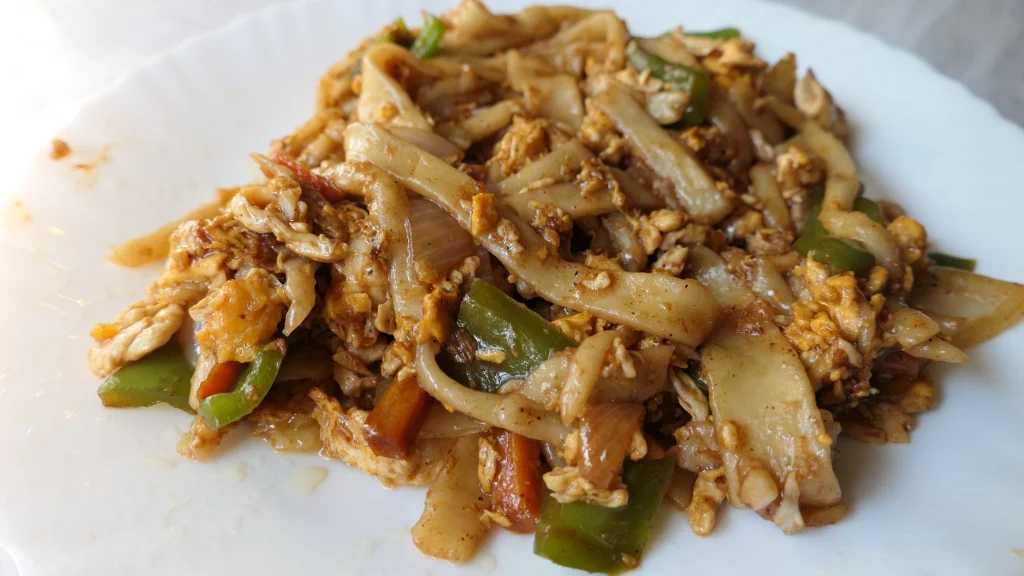
You end up with chewy homemade noodles, soft pieces of scrambled egg, slightly crisp vegetables and a savory coating of soy sauce in every bite.
Simple food, cooked properly, doesn’t need much more than that.