Thai Cooking for Farang na: A Real Thai Cookbook for Home Cooks Who Want Authentic Flavor
If you’ve ever tried cooking Thai food at home and thought, “Why doesn’t this taste like Thailand?”—you’re not alone.
Thai cuisine is deceptively simple on the plate, but it’s built on balance: salty, sweet, sour, spicy, and aromatic, all working together. A recipe can look easy and still miss the mark if you don’t understand what the ingredients are doing.
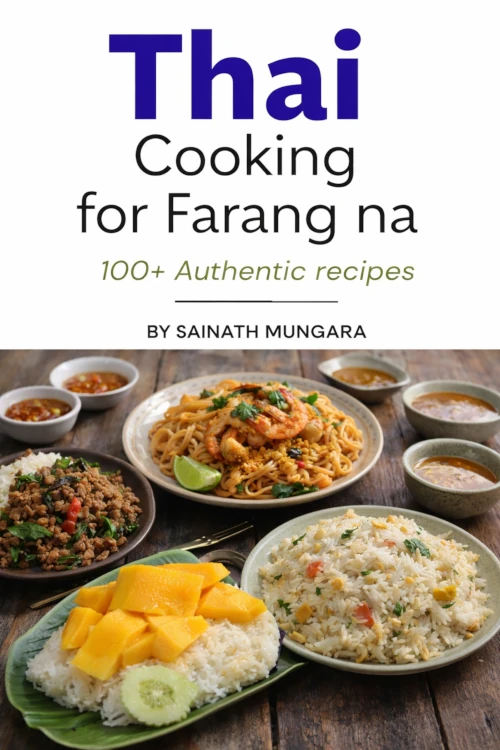
That’s exactly why I wrote Thai Cooking for Farang na: 100+ Authentic Recipes.
It’s a Thai cookbook created for non-Thai home cooks (farang) who want authentic results—without feeling overwhelmed, without needing a chef’s pantry, and without having to “guess” what substitutions will work.
Who this Thai cookbook is for
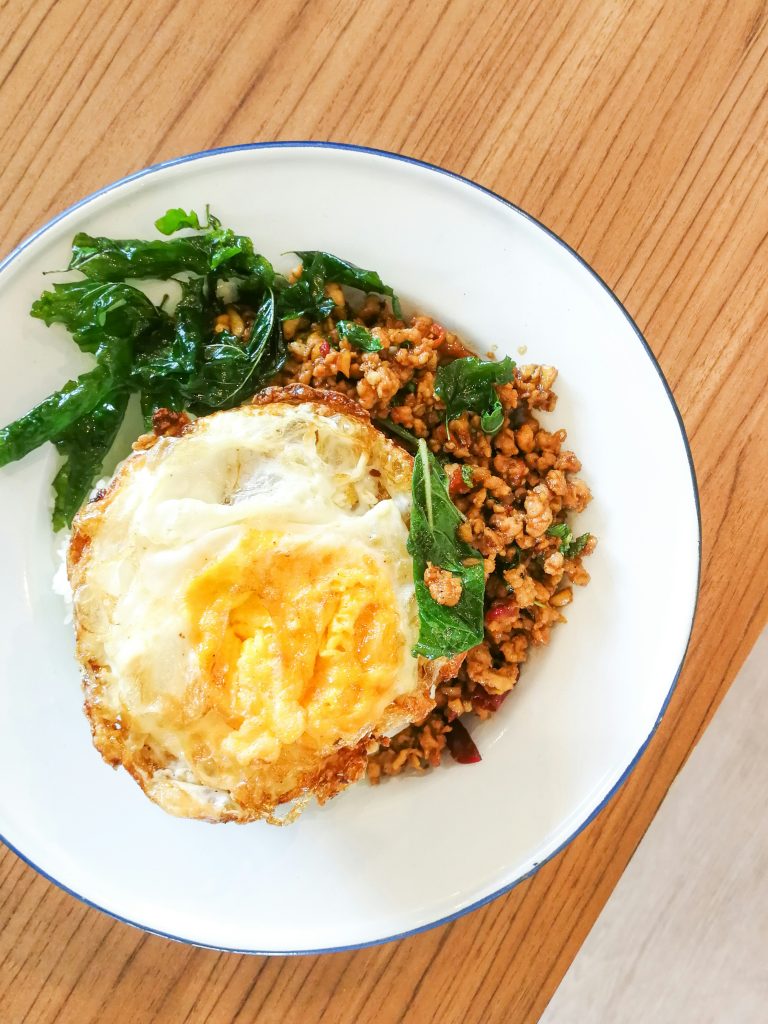
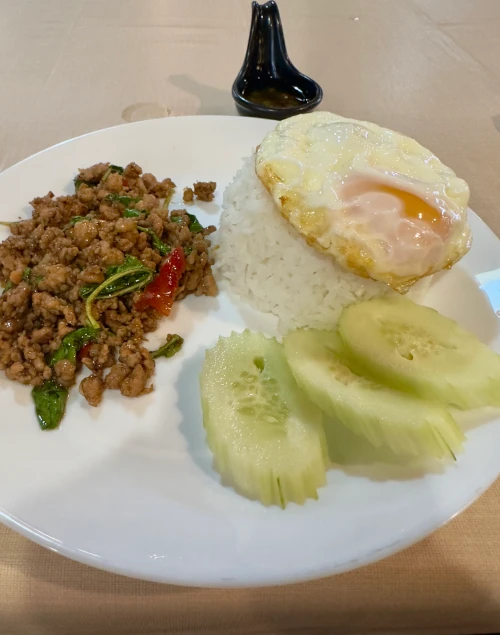
This book is for you if you love authentic Thai flavors but you’re cooking outside Thailand and want them to taste right. It’s for beginners who need clear, workable guidance, and for intermediate cooks who want to understand the “why” behind the flavor balance. If you’ve ever felt frustrated by recipes that casually say “use Thai basil” without offering alternatives or explanation, you’ll appreciate the clarity here. And if you’re looking for a cookbook you can genuinely cook from — not just admire — including on busy weeknights, this one was written with you in mind. Recipe for Pad Krapao shown below
Online recipes can be great, but they’re scattered. A proper cookbook should feel like a system—a reliable guide you return to again and again.
Why so many Thai cookbooks feel “too hard” (even when they’re brilliant)
Some Thai cookbooks are masterpieces—deep, detailed, and incredibly authentic. People regularly recommend titles like David Thompson’s Thai Food or Andy Ricker’s Pok Pok because they’re respected and comprehensive.
But here’s the truth many home cooks don’t say out loud:
Those books can feel like studying (and ingredient sourcing can be a project on its own).
Even Thai-cooking fans admit some “bible-level” books can be better as references than weeknight-friendly cookbooks.
At the same time, beginner-friendly resources like Hot Thai Kitchen are widely recommended because they help people actually start cooking.
Thai Cooking for Farang na sits in that sweet spot:
authentic, but designed for everyday use—especially if you live in the US (or anywhere outside Thailand).
What makes Thai Cooking for Farang na different
1) Built for “outside Thailand” kitchens
This is the part most cookbooks skip.
If you’re living in the US, cooking Thai food can feel a little unpredictable. Maybe you’re lucky enough to have one Asian grocery nearby — or maybe you don’t have one at all. Fresh herbs aren’t always consistent, labels can be confusing (is it light soy, seasoning sauce, or thin soy?), and sometimes the “substitute” suggested online completely changes the flavor of the dish. It’s not that the food is complicated — it’s that the details can get lost along the way.
This cookbook is written for real kitchens and real shopping situations—so you can still cook Thai food without turning every recipe into a scavenger hunt.
2) A focus on how Thai flavor works
Thai food isn’t just ingredients—it’s ratios and balance.
When you understand the purpose of key flavor builders (salty/umami bases, acidity, aromatics, heat, sweetness), you can cook confidently instead of blindly following steps.
That’s the goal: you learn the logic, not just the list.
3) 100+ authentic recipes, organized for real cooking
When people go looking for a Thai cookbook, they’re usually not searching for something complicated or academic. They’re typing things like “Thai cookbook for beginners,” “easy authentic Thai recipes,” “Thai food at home,” or “Thai street food recipes.” What they really want isn’t an encyclopedia of regional history — they want a book that helps them cook dishes like Pad Thai, Pad Krapao, Panang curry, Prik Gaeng Gai, and Mango Sticky Rice with confidence.
They want recipes that feel authentic but are actually doable on a Tuesday night. They want something that delivers real flavor without turning every meal into a research project. If you’ve browsed lists of the “best Thai cookbooks,” you’ve probably noticed the same theme: people are searching for authenticity and simplicity at the same time. This book is written to sit exactly in that space — practical, clear, and deeply respectful of Thai flavor.
What you’ll actually get from this cookbook (the honest version)
You’ll get:
- A cookbook that respects authentic Thai flavor
- A structure that helps you cook with confidence at home
- Recipes you can return to repeatedly, not just “try once”
You won’t get:
- pretentious, hard-to-find-only ingredients with no alternatives
- vague instructions like “cook until done” without guidance
- “Westernized Thai” that tastes like something else
How to use this book if you’re a beginner
If you’re new to Thai cooking, here’s the simplest path:
- Start with a small core pantry
- Cook a few recipes repeatedly (don’t chase 20 dishes at once)
- Train your taste on balance: add salt/umami, then sour, then sweetness, then heat
- Take notes on what you like and adjust within Thai flavor logic
A lot of popular Thai beginner content online also pushes this same idea: start with approachable recipes, build confidence, then expand.
Frequently asked questions
Is this Thai cookbook good for beginners?
Yes—this is written specifically for non-Thai home cooks who want authentic flavor without overwhelm, which is exactly the intent behind popular “Thai recipes for beginners” searches.
Is it authentic or “adapted”?
The goal is authentic Thai taste, with practical guidance for cooks outside Thailand. Many readers struggle because some very authentic books are harder to execute if you can’t source ingredients easily.
How does it compare to famous Thai cookbooks?
Thai cooking for farang na is more hands on and without fluff. Classic titles like Thai Food (David Thompson) and Pok Pok (Andy Ricker) are often recommended as authoritative and deep.
This book is meant to be more immediately cookable for everyday kitchens—especially for beginners.
Ready to cook real Thai food at home?
If you want a cookbook that’s:
- authentic in flavor
- friendly to non-Thai kitchens
- built for practical cooking
then Thai Cooking for Farang na is made for you.
Thai Cooking for Farang na: 100+ Authentic Recipes
By Sainath Mungara
Thai food isn’t complicated. It’s precise.
The difference between average and authentic is often one small adjustment — the timing of garlic, the ratio of fish sauce to palm sugar, the way curry paste is cooked before coconut milk is added. Those small details matter.
For example, using a high-quality fish sauce like Red Boat 40°N immediately changes the depth of a dish. It’s made from just anchovies and sea salt, fermented traditionally — and that purity shows up in flavor.
Likewise, when making curry, many home cooks unknowingly skip the step of properly frying the paste before adding coconut milk. A trusted brand like Mae Ploy curry paste delivers authentic Thai spice structure — but only if it’s cooked correctly. That technique is explained clearly in this book.
And when it comes to Pad Thai, real tamarind matters. Using something like Aroy-D Tamarind Paste instead of vinegar or ketchup completely transforms the balance of the dish.
This cookbook teaches you how Thai flavor works, not just what to add.
When you cook Pad Krapao from this book, you’ll understand why the heat hits first and why the basil finishes it. When you make Panang, you’ll understand how the curry paste deepens and why coconut milk shouldn’t drown it. When you cook Prik Gaeng Gai, you’ll taste the layered spice rather than a flat sauce.
The recipes are written clearly, without assuming you grew up in Thailand. Ingredients are explained. Techniques are practical. If you’re in the US or Europe and sourcing ingredients feels intimidating, you’ll feel guided — not lost.
This is Thai cooking at home, the right way.
The Recipes People Actually Want to Cook
There are over 100 authentic recipes in this book, but they’re not random. They’re the dishes people search for every single day.
Pad Thai that balances tamarind properly.
Pad Krapao that delivers the right heat and aroma.
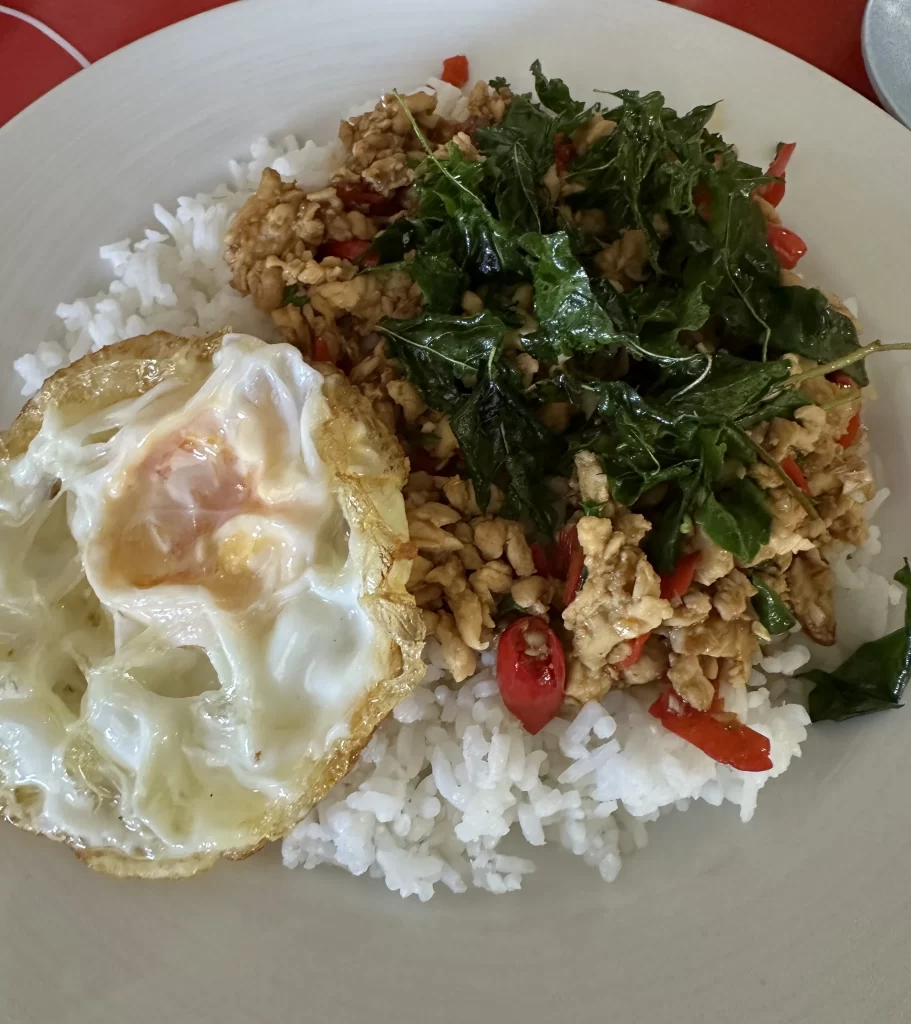
Prik Gaeng Gai that feels like real Thai curry, not a diluted version.
Panang curry that’s rich but controlled, creamy without being heavy.
Mango Sticky Rice that tastes like it came from a Thai night market.
These are not “Westernized Thai recipes.” They’re authentic dishes written so that a serious home cook can execute them confidently.
When people search for “easy authentic Thai recipes” or “Thai cookbook for beginners,” what they really want is a book they’ll actually use. Not a display piece. Not a coffee table book. A real cooking guide.
That’s what this is.